
Finding St. Louis Park Residents
No single roll lists every person in every St. Louis Park home. That is the honest starting point. Instead, the trail splits by purpose. Hennepin property records tie an address to a parcel and its tax role. The Recorder/Registrar connects named parties to a recorded land document. Minnesota's voter tool confirms a registration, though only with an exact set of details. HCLIB directory volumes hold older address associations. A court index, license listing, or city record adds context. Each answers a narrower question than it seems to, though. The strongest result is two independent, dated records that agree.
Lead with an address whenever you have one. Its postal form, PID, legal description, and directory spelling are not interchangeable. For a name-only search, settle on a likely time period. Use each official source in its own required format. A taxpayer, document party, or organization contact is not automatically the person at that address today. Keep the field label, source date, and access limit attached to every result you save.
- Search Hennepin Property Information Search by address, PID, addition, or map to capture the parcel identity and legal description.
- Use the Hennepin Property Map to see the parcel footprint and adjoining PIDs, while keeping its map limits in mind.
- For a current registration question, enter the exact name, date of birth, and address in the Minnesota voter-registration lookup.
- For an earlier household, search HCLIB's digitized directory collection by surname and address, then save the year and page image.
- When a public record is absent online, ask the custodian for the existing series, date range, address or PID, and preferred copy format.
Note: Keep each result's date, role, and source together instead of converting them into an unsupported resident list.
St. Louis Park Resident Record Keepers
No one office keeps everything. St. Louis Park municipal files, Hennepin County property systems, Minnesota court and election systems, and library collections each sit with a different custodian. The City Clerk holds minutes, ordinances, contracts, deeds, and plats. Hennepin separates assessment from recording. The judicial branch runs court access through MCRO. Election administration offers a statewide lookup plus a county route for restricted request types. Starting at the right desk saves a deed request, a registration question, or an old directory volume from bouncing between offices. It keeps those items from bouncing between offices.
Hennepin County Recorder/Registrar
Government Center, 300 South Sixth Street, MC-074
Minneapolis, MN 55487
612-348-5139
Land-title records access
Hennepin Property Information
Government Center public counter A-600
300 South Sixth Street, Minneapolis, MN
612-348-3011
Property search help
Minnesota and Hennepin Elections
Hennepin County Elections
Minneapolis, MN
612-348-5151
Official voter lookup
The St. Louis Park street directory extends the address path through PID, GIS, permits, and land-title records. City requests are a separate fallback. St. Louis Park accepts a focused Minnesota Government Data Practices Act request online, by email, fax, or mail. The city says a typical response takes 10 to 14 business days; an appointment to inspect records is free, while copies may carry an allowed cost.
St. Louis Park Resident Parcels
For any St. Louis Park address, Hennepin Property Information Search is the starting record. It accepts a street address, a 13-digit PID, an addition name, or an interactive map selection. One result can open the door to taxes and assessments. It also covers parcel description, sales, and recently recorded documents. Write down the assessment year next to the address. The owner, taxpayer, mailing recipient, sale party, and occupant shown can all be different roles. So read the labels carefully. Divisions and combinations can also create a new PID. That means an older PID and legal description may bridge records across time.
Check the county's property-search explanation first. The official page lays out the address fields and result categories, which makes a St. Louis Park residents directory search easy to repeat later.
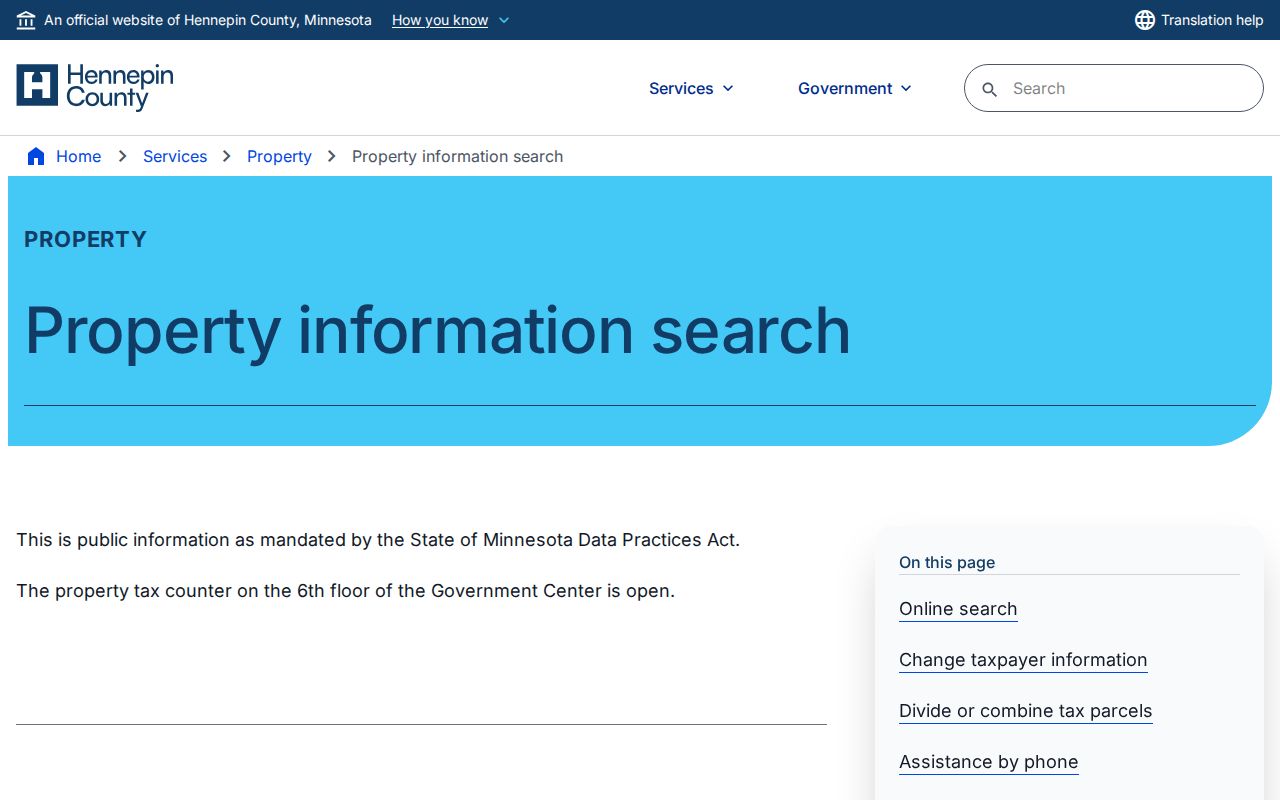
The field guide supports parcel research, not a current-household conclusion. Use the returned PID and legal description to compare other official records.
The live Hennepin Property Information Search supplies the address, PID, addition, and map paths. Together these details power a St. Louis Park residents directory address search.
Establish the parcel key on the current property screen first, then weigh a separate dated source for any person or household association.
St. Louis Park Resident Deed Trail
Property assessment and land-title records are cousins, not twins. The Hennepin Recorder/Registrar keeps deeds, mortgages, assignments, liens, releases, satisfactions, and title material. RecordEASE Public Search is a limited free index. The county describes a paid Pro route plus paid document or certificate access. Its public research computers in Skyway room SK-0353 offer a fallback for older research. The county also warns that online recording history may cover only the last five years. It may be incomplete.
Take the county's land-title access route once you have the legal description or PID in hand. A good index note preserves the document number, document type, recording date, parties, legal description. It also notes whether the land is Abstract or Torrens.
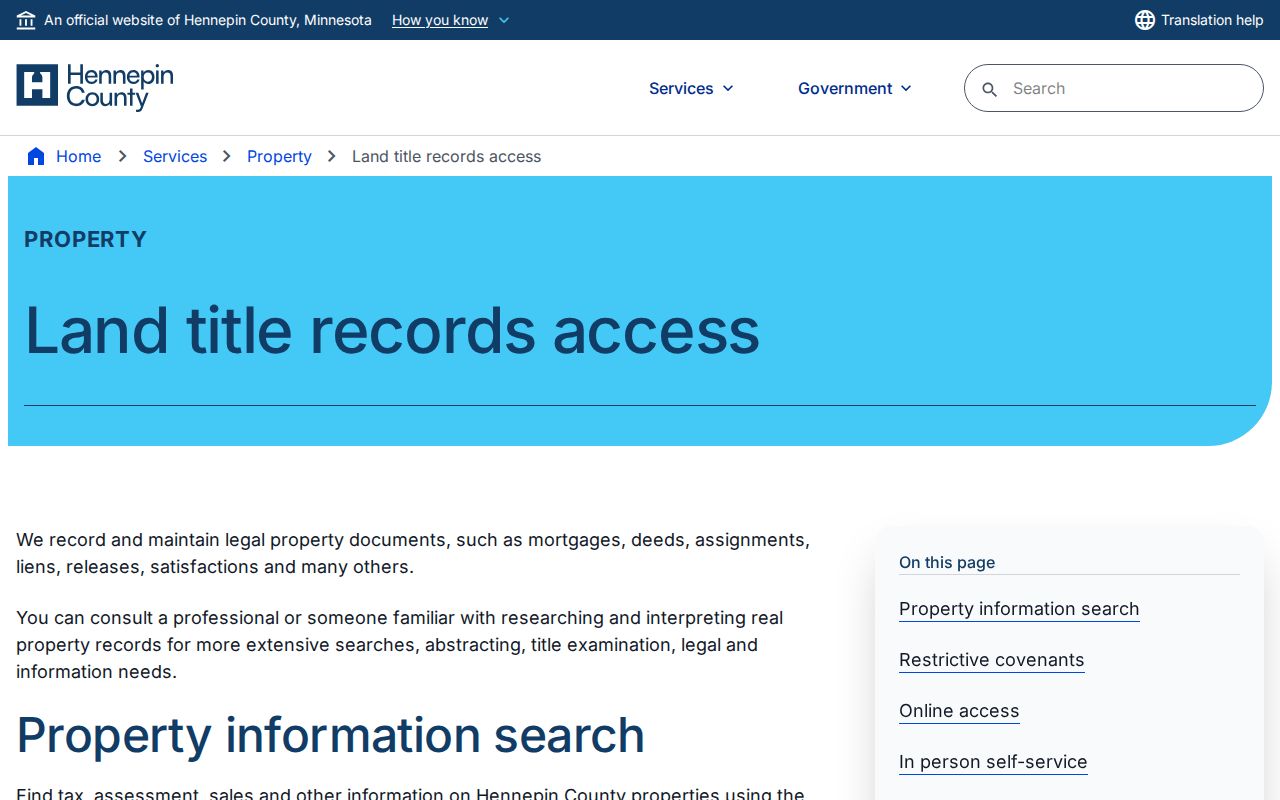
A grantor or grantee proves a recorded instrument, not that the named party ever occupied the St. Louis Park address.
- Parcel
- A county’s identified piece of land, usually connected to a PID and legal description.
- Index
- A finding aid that points to a record; it is not always the record image itself.
- Abstract land
- Land researched through a chain of recorded instruments.
- Torrens land
- Registered land where interests are memorialized on a certificate of title.
St. Louis Park Resident Voter Check
Minnesota keeps its voter-registration lookup deliberately narrow. It is a confirmation tool rather than a resident roster. You supply a first and last name along with the full date of birth. Then narrow by ZIP or county, pick the city or township, and enter the house number and street. Apartment dwellers should check the unit box. Skip suffixes like Jr. or Sr. in the last-name field. They can block a match. Records refresh nightly, though a new registration can take up to 14 days to surface. Exact current addresses work best. The official Minnesota voter lookup presents the fields a St. Louis Park residents directory confirmation requires.
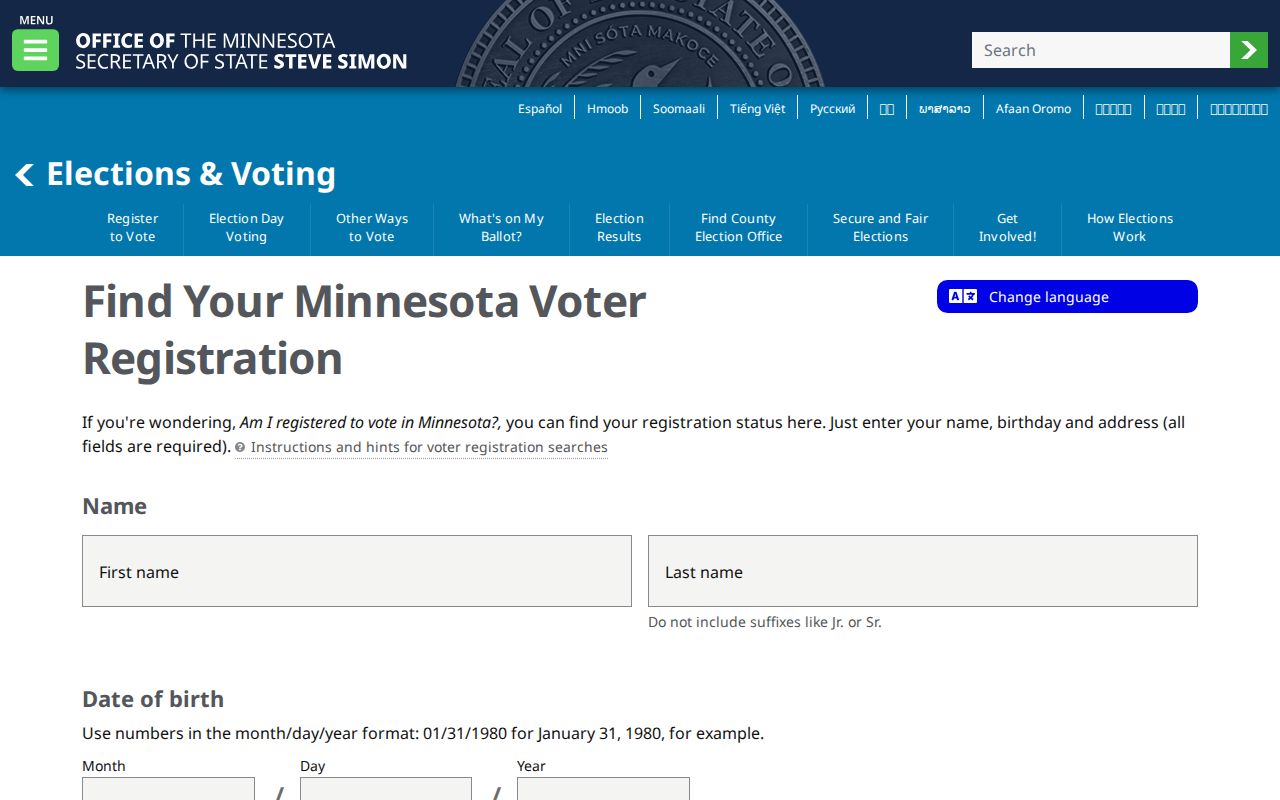
What comes back is a registration-status answer only. The lookup never opens the full statewide record, and it cannot establish who else lives in a household.
| Field | Use in the official lookup |
|---|---|
| First and last name | Use the person’s exact formatting; the last-name field excludes suffixes. |
| Date of birth | Required alongside the name for individual confirmation. |
| Address branch | ZIP or county, then city or township, house number, street, and unit where applicable. |
| Result meaning | A current registration confirmation path, not a public master record. |
St. Louis Park Resident Court Records
MCRO, short for Minnesota Court Records Online, is the statewide court interface for a St. Louis Park name search. Its case search accepts a person, business, attorney, case number, citation number, or bar number. Document search runs by case number. Hearing search and a judgment search by debtor round out the modes. Exact names, an asterisk wildcard, and Sounds Like all work. One limit matters. A pending criminal case will not surface from a defendant-name search before conviction. A no-hit can also reflect age, sealing, expungement, or destruction. Or the record type is simply not online. The MCRO public interface lays out each separate search mode. These are the modes used for court records in a St. Louis Park residents directory check.
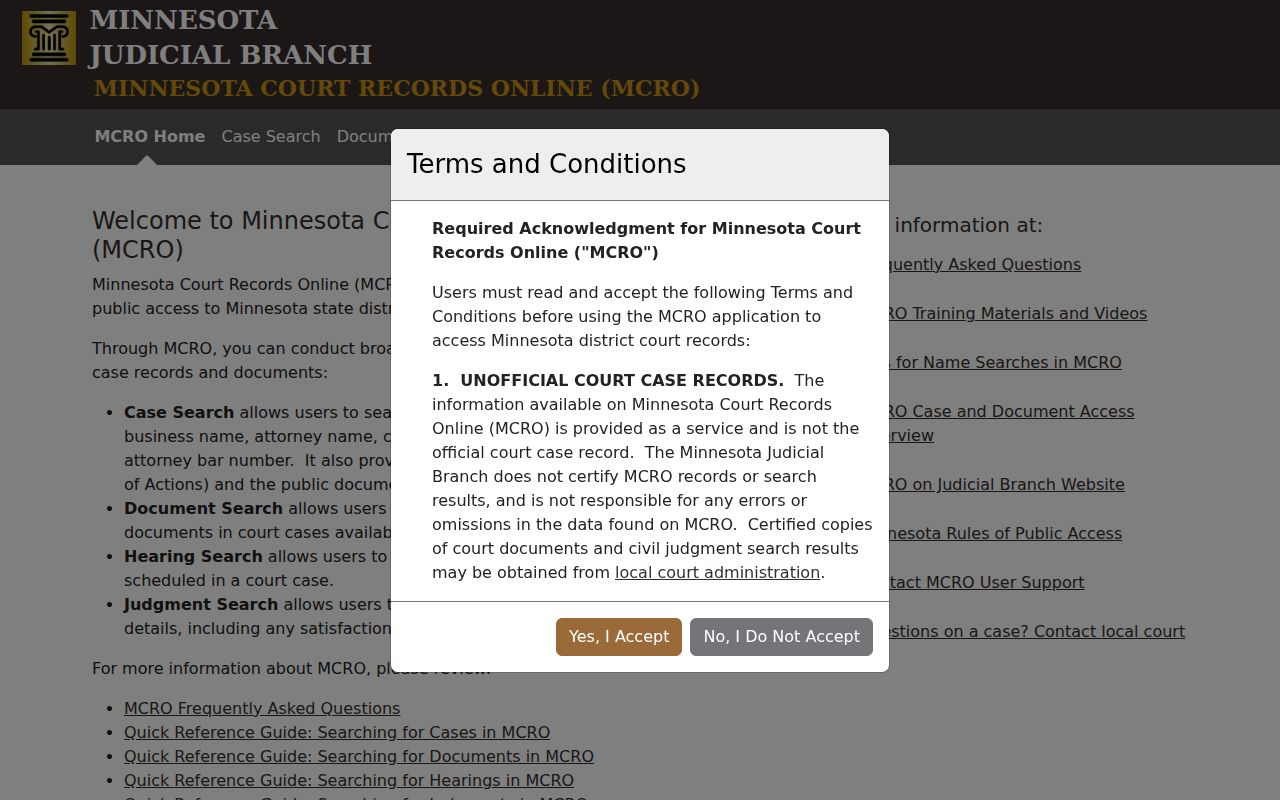
Online public documents run strongest for listed case types filed July 1, 2015 or later. Older or excluded material lives elsewhere. Hennepin courthouse terminals and local court administration are the better route for that material.
Current St. Louis Park Directory Sources
A current St. Louis Park directory question succeeds only when the source fits the relationship being checked. The property search can show a parcel and assessment role. The Recorder index can show parties to a land instrument. The voter lookup confirms one exact current registration. Court, business, and professional records describe their own filings or events. None of them is a universal household list. For a modern name question, pick one source that supports the relationship and one independent source that can confirm the place or time.
| Record layer | Relationship it can show | Custodian | Access route |
|---|---|---|---|
| Property Information Search | Parcel, taxpayer/owner role, assessments, sales | Hennepin County | Public search |
| Voter lookup | Exact current registration status | Minnesota Secretary of State | Individual confirmation |
| RecordEASE index | Parties to a recorded instrument | Recorder/Registrar | Limited public index, then request or paid route |
| City records and permits | Public municipal action tied to an address or project | St. Louis Park | Laserfiche, ePermits, or data request |
| Historical Society collections | Dated civic, school, newspaper, or place context | St. Louis Park Historical Society | Collection and appointment routes |
A record can support only what its own fields say. The St. Louis Park resident lookup explains how to compare two record classes. The point is confirming, not assuming identity from a shared name.
St. Louis Park Resident Business Names
A business filing can separate an organization from a person. But it never proves someone lives at a St. Louis Park address. The Minnesota Secretary of State Business Search offers Business Name and File Number modes. It also provides Begins With or Contains options, active or inactive filters, and an option to include prior names. Detail screens identify entity type, filing status, and business information. It is the right stop when a name might belong to an entity. Verify the exact field you need. A filing address should never be read as a home address. The Secretary of State Business Search displays its name, file-number, status, and prior-name controls.
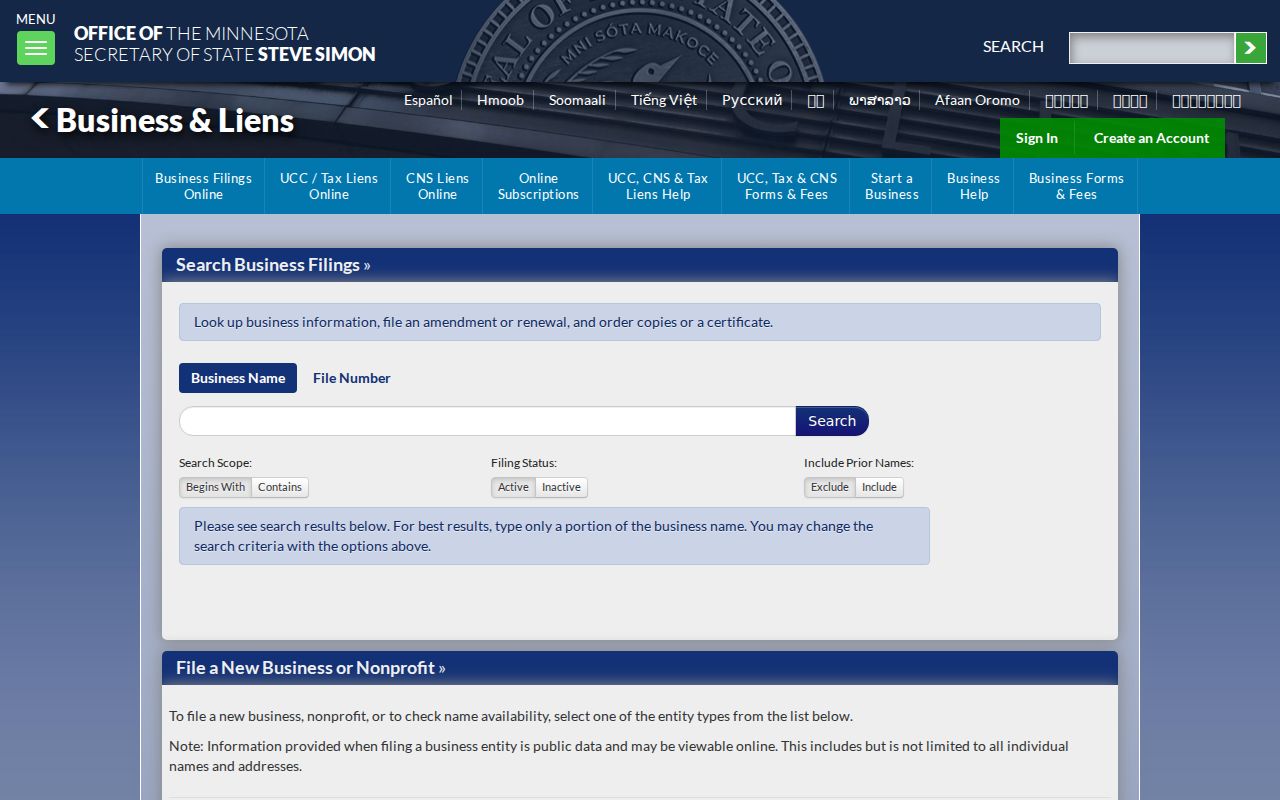
Business records can clarify an entity relationship. Even so, a St. Louis Park residents directory match still needs a separate address or historical source.
St. Louis Park Privacy Boundaries
Minnesota’s Government Data Practices Act presumes public access to government data. But another law can say otherwise. That presumption does not unlock every field. Voter law draws a line. Public items include name, address, year of birth, voter ID, district codes, and voting-history fields. Restricted items cover the full date of birth, email, registration method, challenged status, driver-license information, and Social Security data. The February 2026 Secretary of State FAQ still explains that line clearly. For local withholding, inactivation, and Safe at Home routes, the Hennepin voter-registration page is the place to start.
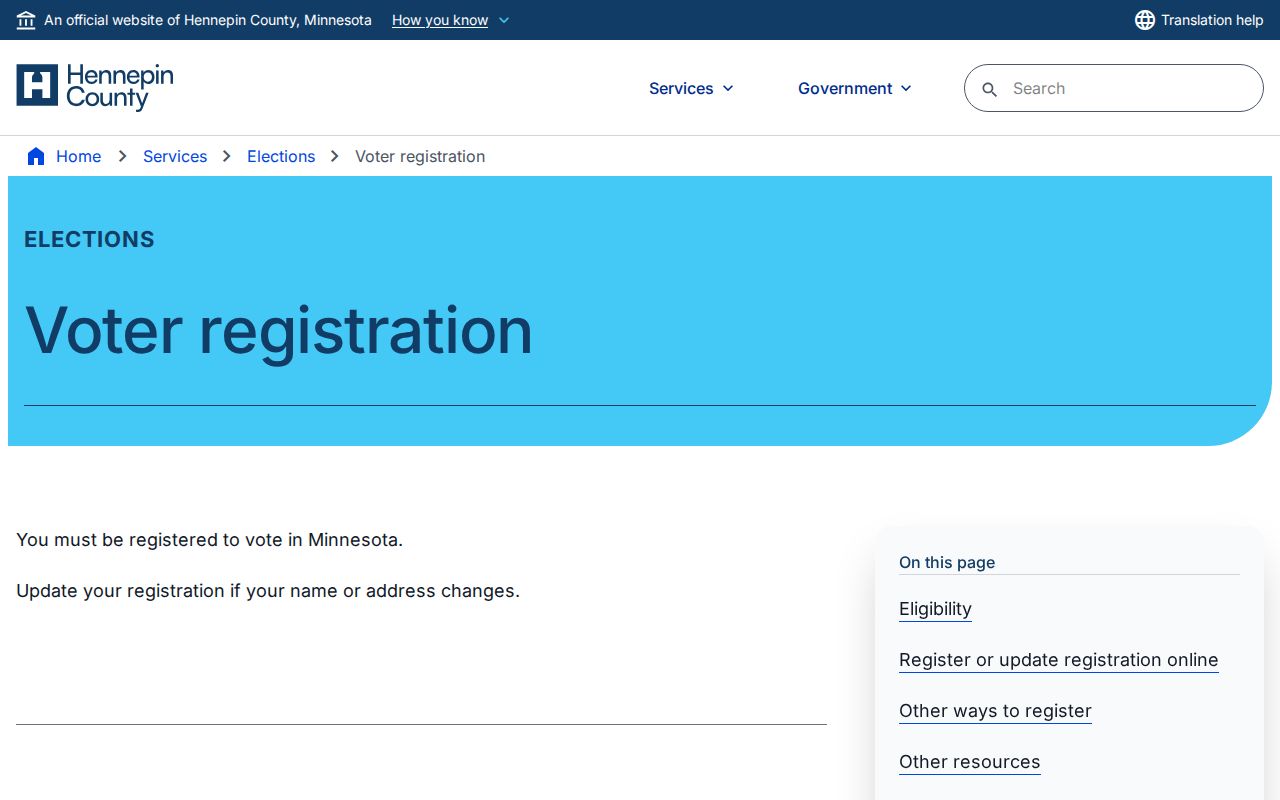
If a protected status appears, stop using the public path. Contact Hennepin Elections or the Secretary of State rather than widening the search.
St. Louis Park Historical Directories
Hennepin County Library’s digitized City Directory Collection covers St. Louis Park volumes from 1933 through 1977. The St. Louis Park Historical Society credits Lydia Rogers with starting the local directory line in 1933 and keeps a separate inventory with gaps and later holdings. A printed line ties a name to an address in its own year. It may add an occupation, workplace, spouse notation, household mark, or business category. It cannot prove an uninterrupted stay. Nor can it confirm a current residence. HCLIB’s City Directory Collection is the online entry point for the historical St. Louis Park directory run. Search a surname and an address separately. Preserve the year and page image for anything you rely on. Treat a no-hit cautiously, because OCR problems and collection gaps can both hide a listing. HCLIB search tips note that OCR may render Avenue as “Av” and use period ordinals such as 2d. It can also attach an old resident prefix straight to a house number. For the full collection, search syntax, and household-tracing method, the St. Louis Park Directory Book is the resource.
St. Louis Park Home History
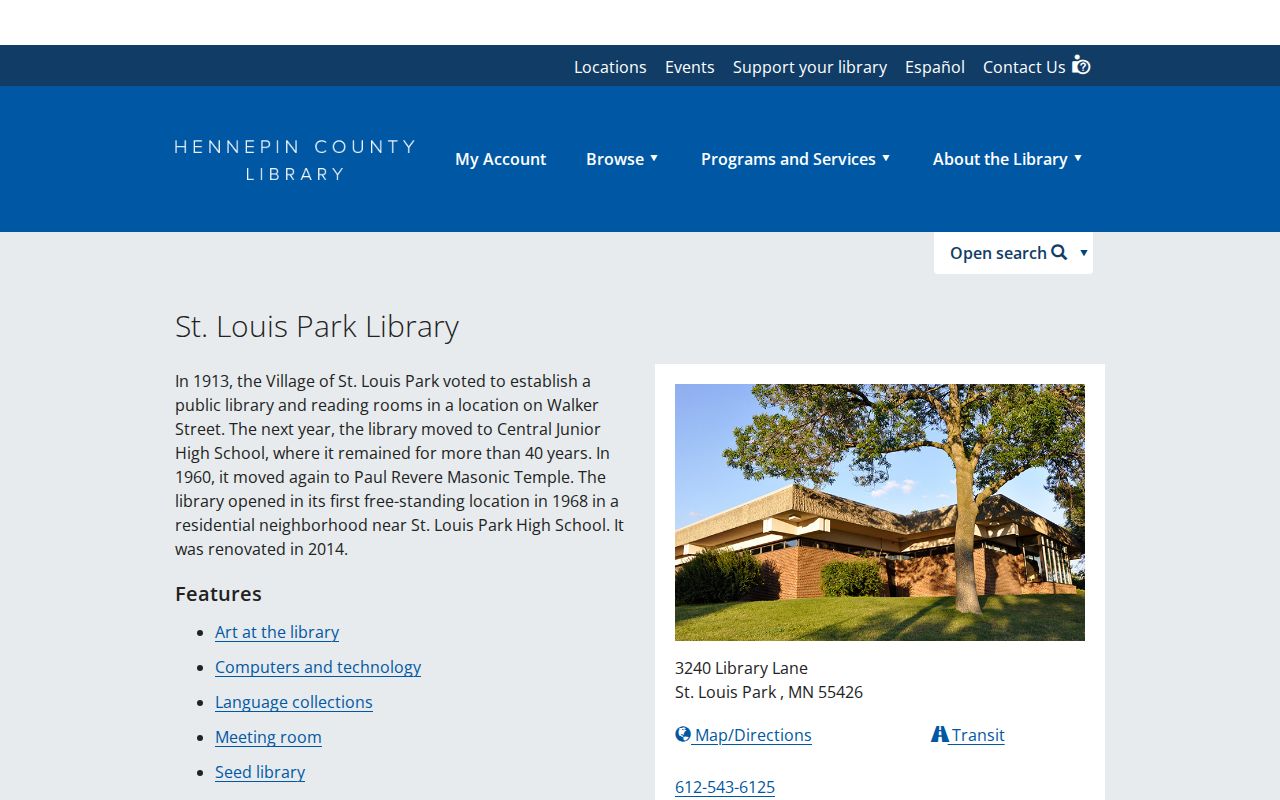
A house-history search at the library pulls many threads together. HCLIB's workflow joins city directories and clipping files. It also brings in neighborhood newspapers, Recorder documents, title help, and databases. The St. Louis Park branch is a handy local stop for reference help and in-library research. Its own story runs deep. A village vote in 1913 started it, and a 2014 renovation refreshed it. Today its collection services also link a reader to the wider Hennepin library system. That strengthens any residents directory search built around an old address rather than a current name. The St. Louis Park Library page lists location and service details for planning the visit.
A digitized directory entry often needs a second look. Library databases and local history staff supply that context, and a page image check settles the rest. The HCLIB researching-homes guide gathers directories, clippings, newspapers, deeds, and maps into one address-based sequence for St. Louis Park house research.
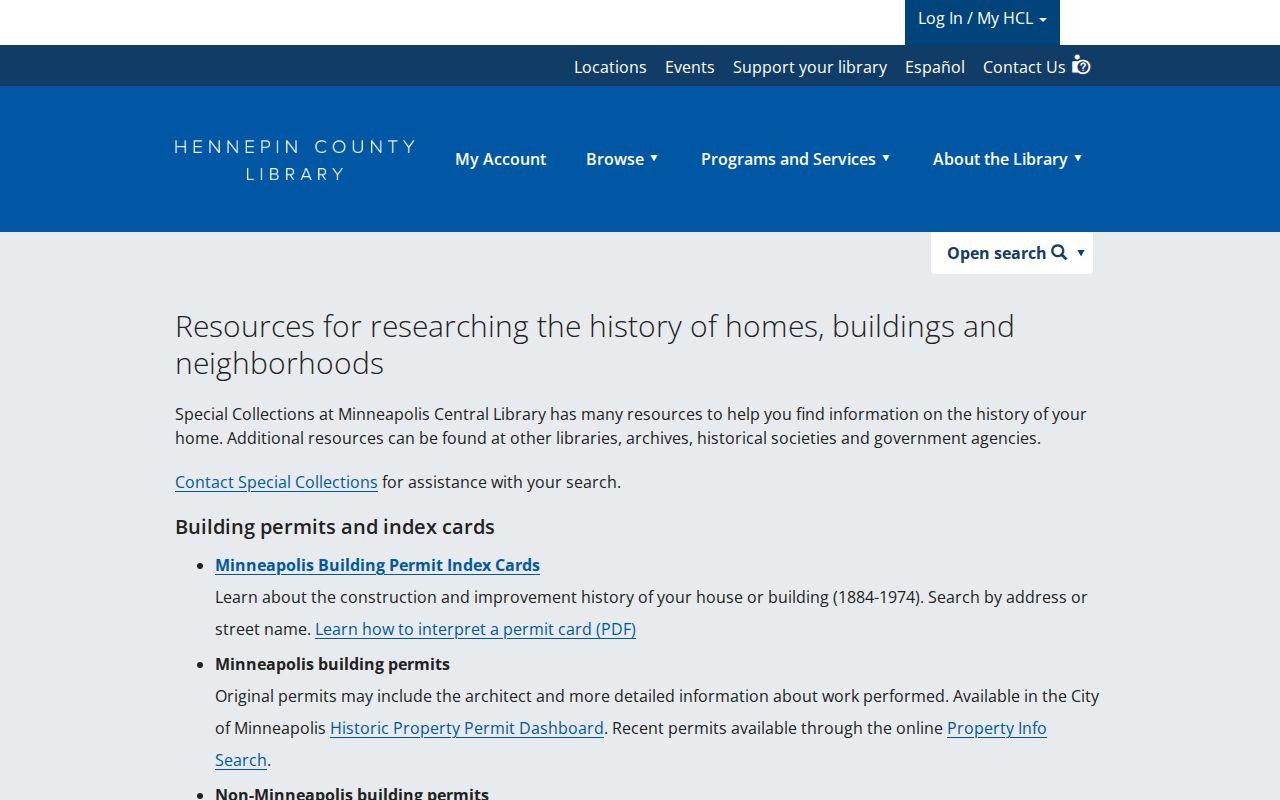
Each record type answers a different question about an address. A dated directory entry, a deed, a clipping, a map, and a permit each cover one piece. Read together, they build the full address history.
St. Louis Park Resident ZIP Checks
The Minnesota Department of Public Safety publishes a county and ZIP table. It lists four ZIP codes for St. Louis Park in Hennepin County: 55416, 55424, 55426, and 55436. That set narrows an address question fast. Still, a ZIP is delivery geography, not a city boundary and not a household list. The department publishes no static street-by-street carrier table. For one exact address, USPS holds the authority. Its lookup standardizes the delivery line and returns the proper ZIP and preferred city. The USPS ZIP Code Lookup offers By Address, By City and State, and Cities by ZIP paths.
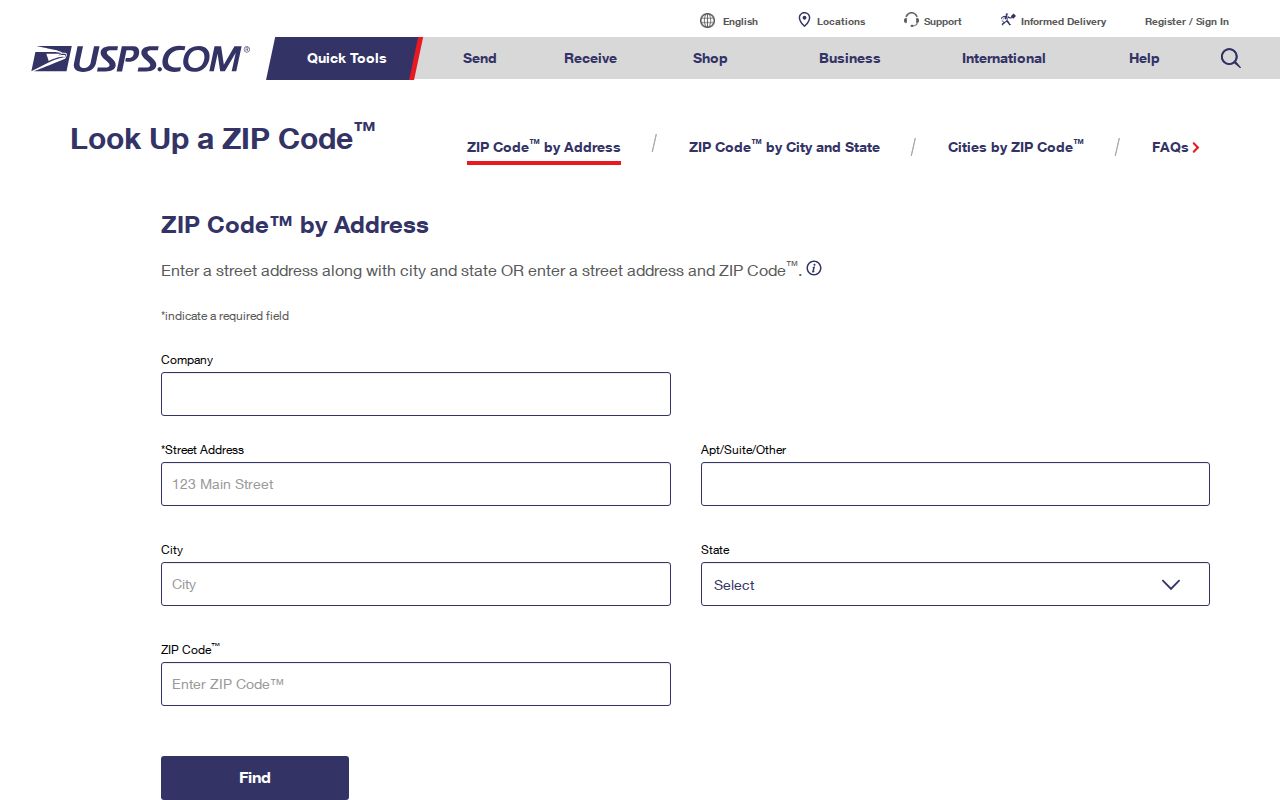
A USPS result proves geography, not occupancy. The ZIP line never confirms that a person or group sits at that address. Pair it with Hennepin PID data or an exact official registration result for that. Note: Keep the entered city, the USPS-returned city, and the directory's historic spelling as separate fields when they differ.
St. Louis Park Records Geography
St. Louis Park breaks into 35 neighborhoods. That framework gives an address civic context without turning nearby parcels into a personal network. Boundaries tend to follow rail corridors. They also track major roads, natural features, and municipal borders. Its plan lays out older grid patterns across the south, east, and central sections. The west and north show later suburban growth. A village center sat near the Minneapolis and St. Louis Railroad and Wooddale. Old streetcar corridors also shaped the map. Together they can explain location wording that no current map label matches.
Start with the city's neighborhood map and organization page. That places an address in its civic area. Then bring in a dated directory, plat, Sanborn sheet, or parcel record. Only then turn a historic reference into a modern location. Rail and streetcar context is a clue only. It never substitutes for a parcel or directory match in the residents directory record trail.